Every day, perfectly edible items ends up in the bin in homes, restaurants, supermarkets, and cafeterias.
That wasted sustenance represents wasted money, wasted resources, and wasted effort. Even worse, when meals decompose in landfills, it releases methane, a greenhouse gas far more powerful than CO₂. While millions of people face nutritional insecurity, massive amounts of groceries are thrown away without a second thought.
Understanding what kitchen waste really is, why it happens, and what you can do about it is the first step toward saving money, protecting the planet, and creating a more sustainable food system. Let’s break it down clearly, practically, and without fluff.
Table of Contents
- What Exactly Is Food Waste?
- Why Food Waste Matters
- Food Loss vs Food Waste: What’s the Difference?
- The Main Causes of Food Waste
- Environmental, Economic, and Social Impacts
- How You Can Reduce Waste
- Tools and Solutions That Actually Help
- Conclusion: The Choice Is Smaller Than You Think
What Exactly Is Food Waste?
This waste is edible food that is discarded instead of eaten. This includes:
- Leftovers that go uneaten
- Fresh produce that spoils before use
- Items thrown away due to cosmetic imperfections
- Meals are prepared in excess and never served
Ingredient waste mainly occurs at:
- Retail level (supermarkets, shops)
- Catering service (restaurants, hotels, catering)
- Households (the largest contributor globally)

Why Food Waste Matters
Organic waste is not just a personal issue; it’s a global systems problem.
Key facts at a glance
| Indicator | Data |
| Global food waste per year | ~1.05 billion tonnes |
| Share wasted at the consumer level | ~19% |
| Largest source | Households (~60%) |
| Climate impact | ~8–10% of global GHG emissions |
Bottom line:
If this refuse were a country, it would be one of the world’s top greenhouse-gas emitters.
Food Loss vs Food Waste: What’s the Difference?
This distinction is critical and often misunderstood.
| Term | Where it happens | Example |
| Food loss | Production & supply chain | Crops damaged during harvest, food spoiled during transport |
| Food waste | Retail & consumption | Throwing away leftovers, expired food, and unsold products |
In short:
- Harvest loss = system inefficiencies
- Consumer waste = human behavior and decisions
The Main Causes of Food Waste
1. Overbuying and poor planning
- Shopping without a list
- Bulk purchases without a usage plan
2. Confusion over date labels
- “Best before” ≠ is unsafe
- “Use by” ≠ immediate spoilage
3. Improper storage
- Refrigerating foods that shouldn’t be chilled
- Not sealing leftovers properly
4. Oversized portions
- Cooking more than needed
- Restaurants serving excessive portions
5. Aesthetic standards
- Rejecting “ugly” fruits and vegetables despite equal quality
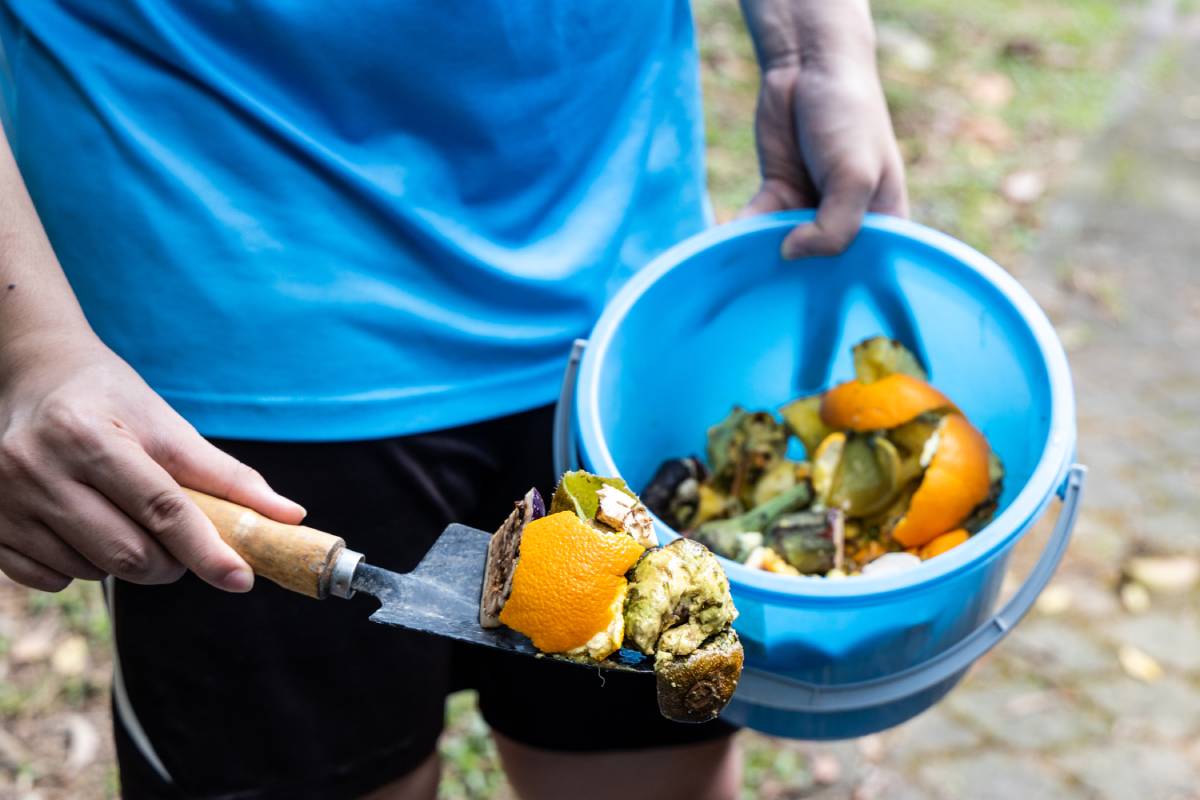
Impacts of Food Waste
Environmental impact
- Methane emissions from landfills
- Wasted water, land, and energy are used to produce crops
- Biodiversity loss due to unnecessary agricultural expansion
Economic impact
- Households lose hundreds of dollars per year
- Businesses lose inventory value and disposal costs
- Governments spend more on waste management
Social impact
- Ethical paradox: surplus waste vs hunger
- Increased pressure on relief banks and charities
How You Can Reduce Waste
1. Plan before you shop
- Check your fridge first
- Use a weekly meal plan
2. Understand date labels
- Trust your senses: smell, look, taste (when safe)
3. Store provisions correctly
- Use airtight containers
- Learn optimal storage for produce
4. Cook realistic portions
- Start smaller — you can always cook more
5. Love leftovers
- Designate a “leftover night”
- Repurpose meals creatively
6. Freeze excess portions
- Bread, herbs, and cooked meals freeze well
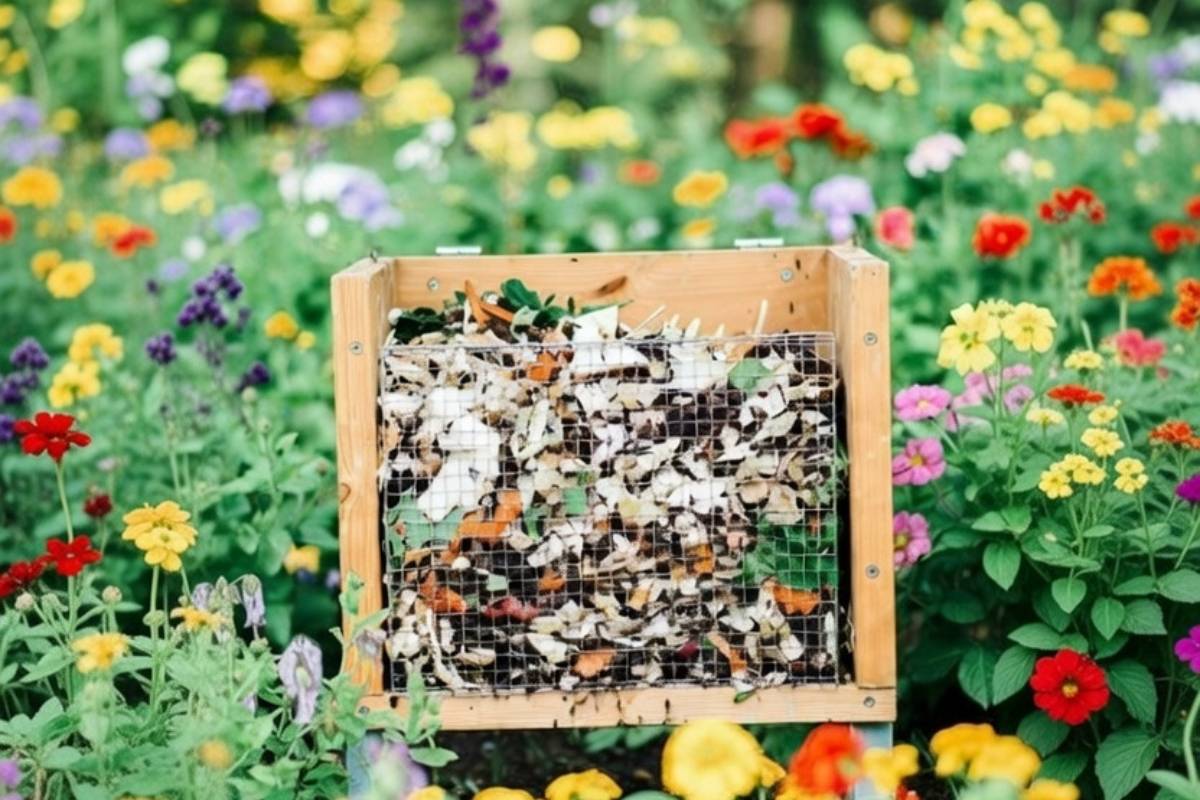
7. Compost what you can’t eat
- Turn unavoidable waste into nutrients
When food scraps are composted instead of sent to landfill, they can be transformed into fertiliser from food waste, returning valuable nutrients to the soil and reducing the need for chemical fertilisers.
Tools and Solutions That Actually Help
For households
- Meal-planning apps
- Smart fridge labels
- Compost bins or community composting
For businesses
- Food waste tracking software
- Portion optimization
- Meal donation partnerships
For communities
- Surplus rescue networks
- Education programs
- Circular economy initiatives
In Thailand, organizations such as HASS Thailand are playing an increasingly important role in addressing the issue by promoting sustainable supply systems, culinary safety standards, and responsible consumption across businesses and communities.
Conclusion
Kitchen waste isn’t just about trash; it’s about values, habits, and systems.
When you waste less produce, you:
- Save money
- Reduce emissions
- Respect the resources behind every meal
You don’t need to be perfect. You just need to be intentional.
So here’s the real question:
What’s one small change you can make this week to waste less ingredients?