Are you staring at your backyard lawn, wondering if that sprawling green carpet is a buffet or a danger zone for your Sulcata tortoise? It’s a common dilemma. You want to provide a varied, natural diet to prevent health issues like pyramiding, but the fear of accidental poisoning from “safe-looking” plants is real and terrifying for any responsible owner.
We’ve all been there—frantically Googling plant names while our tortoise eyes a patch of weeds.
The good news? You can stop worrying about this specific grass. bermuda grass is not only safe; it is a nutritional powerhouse. In this guide, we will break down exactly why this grass should be on the menu, the hidden dangers of “lawn chemicals,” and the best way to serve it.
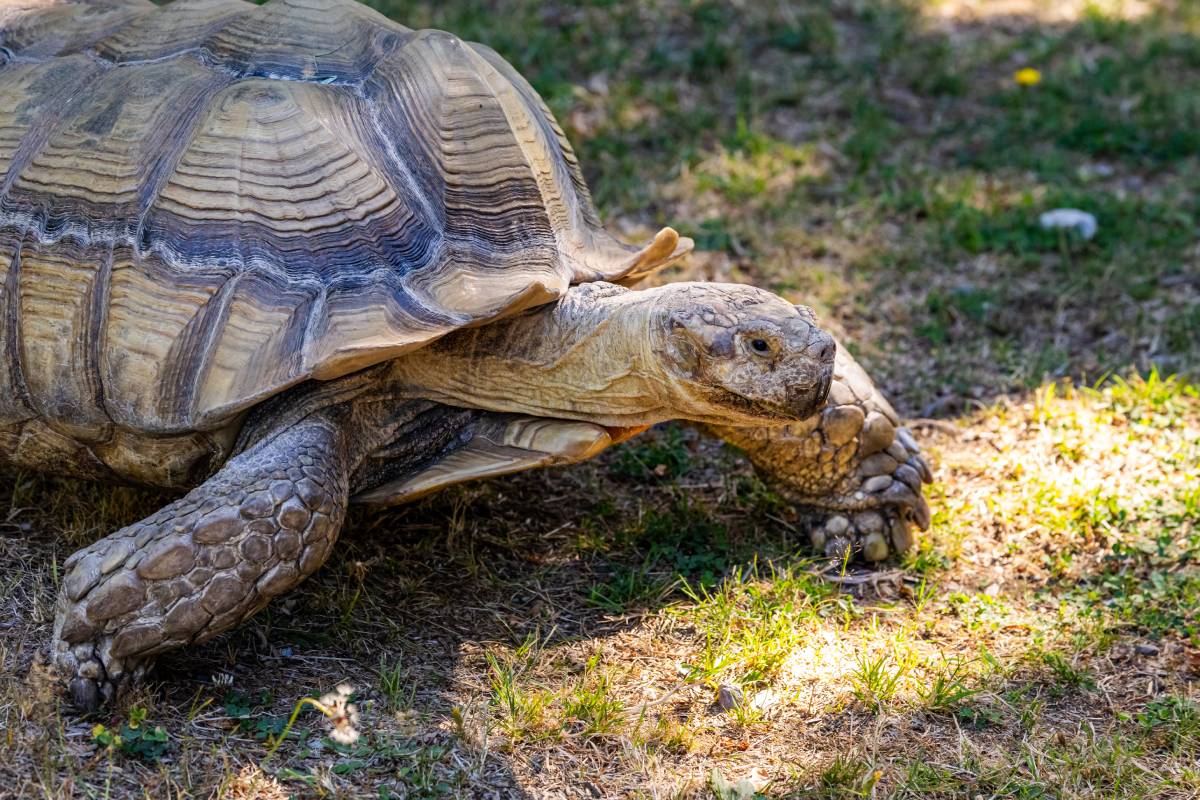
Yes, Sulcata tortoises can eat bermuda grass (Cynodon dactylon). In fact, it is considered an excellent staple food. It provides the high fiber content necessary for healthy digestion and shell growth, closely mimicking the grasses found in their native African Sahel habitat.
| Nutrient Factor | Rating | Verdict |
| Fiber Content | High | Excellent for gut health. |
| Toxicity | None | Safe (Non-toxic plant). |
| Sugar/Starch | Low | Perfect (Prevents obesity). |
| Availability | High | Easy to grow/find. |
Sulcatas are grazers, not browsers. In the wild, they spend the majority of their day eating dry, tough grasses. Bermuda grass fits this biological requirement perfectly.
Your tortoise relies on hindgut fermentation to digest food. High-fiber foods like Bermuda grass keep their digestive tract moving and host the beneficial bacteria they need. Without enough fiber, Sulcatas often suffer from loose stools and dehydration.
For a healthy shell, you generally want a Calcium-to-Phosphorus (Ca:P) ratio of 2:1.
Expert Note: While Bermuda grass is great, always aim for variety. Mix it with Timothy hay, Orchard grass, and broadleaf weeds like Dandelion or Plantain for a complete nutrient profile.
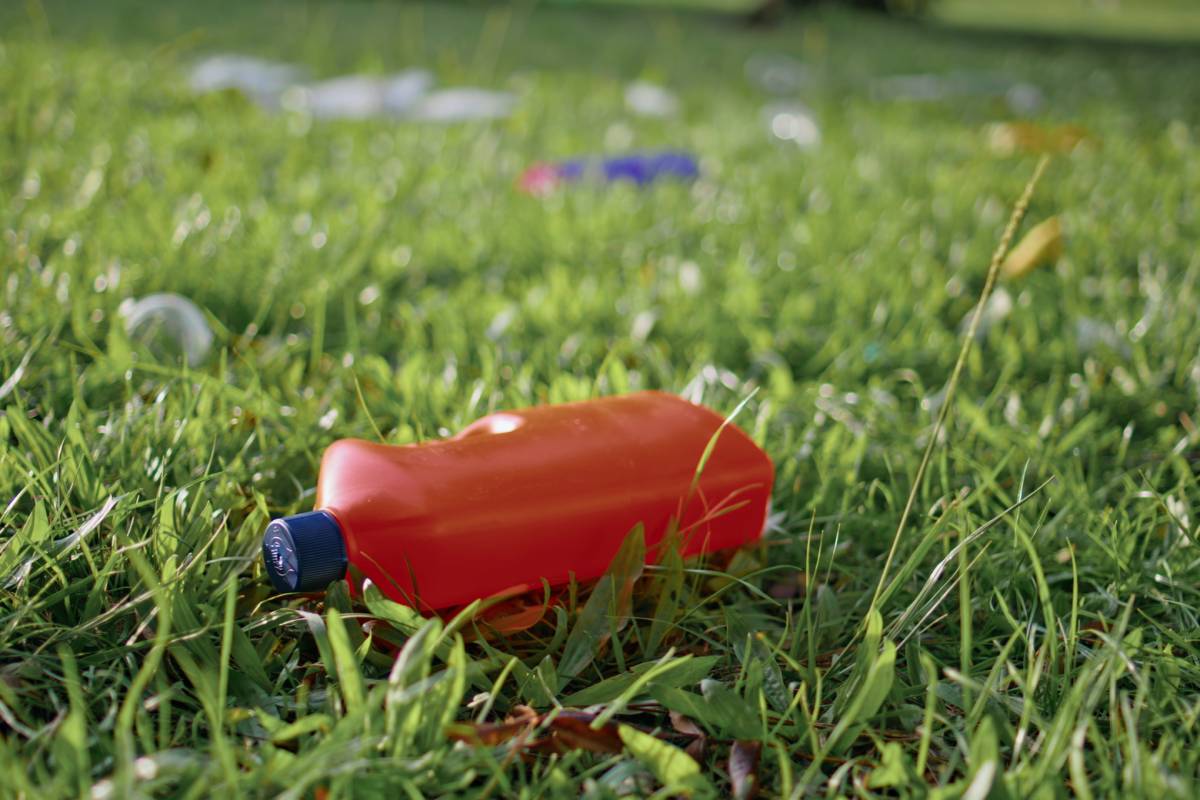
This is the most critical section of this article. The grass itself is safe, but what you put ON the grass can be deadly.
Bermuda grass is a popular turf for suburban lawns, which means it is often treated with:
If your tortoise eats grass treated with these chemicals, they can suffer from neurological damage, organ failure, or death.
The “Safe Lawn” Checklist:
Finally, look up! Ensure your enclosure is free from falling debris by understanding the difference between tree lopping vs. pruning, as rotting branches or toxic leaves from overhead trees can be just as dangerous as chemical fertilizers.
There is a massive difference between letting your tortoise graze on a lawn and feeding them bagged clippings from a mower.
Never feed lawnmower clippings.
Why?
The Solution: Let them graze naturally, or cut the grass by hand using shears/scissors if you need to bring it into an enclosure.
Bermuda grass goes dormant and turns brown in winter. Don’t throw it away! Dry, brown, it is essentially hay. It is still packed with fiber and is perfectly safe for your Sulcata to eat. In fact, many experts argue that dry “hay-like” grass is better for older tortoises than lush, wet green grass because it prevents loose stools.
If you are re-turfing your yard to create a dedicated grazing zone, the quality of your starter sod is crucial. We recommend sourcing from reputable specialists like Direct Turf Farm. Starting with dense, healthy turf ensures the grass has a vigorous root system capable of recovering quickly from your tortoise’s heavy grazing and foot traffic. However, buying the sod is only step one; you must ensure you effectively prep your lawn before the turf supplier arrives to guarantee the grass takes root in your chemical-free soil.
If you live in an apartment or have a chemically treated lawn, grow your own. Buy a bag of unhulled bermuda grass seed (ensure it has no fertilizer coating). Fill shallow 10×20 nursery trays with organic topsoil and grow “grazing trays.” You can rotate these into your tortoise’s enclosure for a safe, natural snack.
Can Sulcata tortoises eat bermuda grass? Absolutely. It is a high-fiber, low-sugar staple that mimics their ancestral diet. It supports healthy shell growth and digestive function.
However, you must be vigilant about the source. A pesticide-free lawn is a paradise for a Sulcata; a chemically treated one is a hazard.
Start slowly, ensure your lawn is chemical-free, and watch your dinosaur enjoy their salad!
Your Next Step: Check your lawn care products today. If you are unsure if they are safe, switch to organic methods or start a dedicated “tortoise garden” patch this weekend.
Yes! Dried Bermuda grass (hay) is excellent for Sulcatas. It is high in fiber and great for their digestive systems. It is especially useful during winter months when fresh grass is unavailable.
Bermuda grass is relatively low in oxalates compared to plants like spinach or beet greens. It does not pose a significant risk of binding calcium when fed as part of a varied diet.
Grasses and hay should make up about 70-80% of an adult Sulcata’s diet. You can allow them to graze on Bermuda grass freely for several hours a day, provided the weather is warm and the grass is chemical-free.
Know exactly what Melbourne towing costs before it happens. Clear fee breakdowns, tow-away zone rules,…
Bought a car in another state? Here's exactly how interstate delivery works, what it costs,…
Turn your neglected pool swim-ready again. Follow our step-by-step guide covering water chemistry, equipment checks,…
Every day, perfectly edible items ends up in the bin in homes, restaurants, supermarkets, and…
Have you ever walked into a room that felt "off," even though the furniture was…
Discover the best fertilizer from food waste, ranked by nutrients and results. Learn how to…