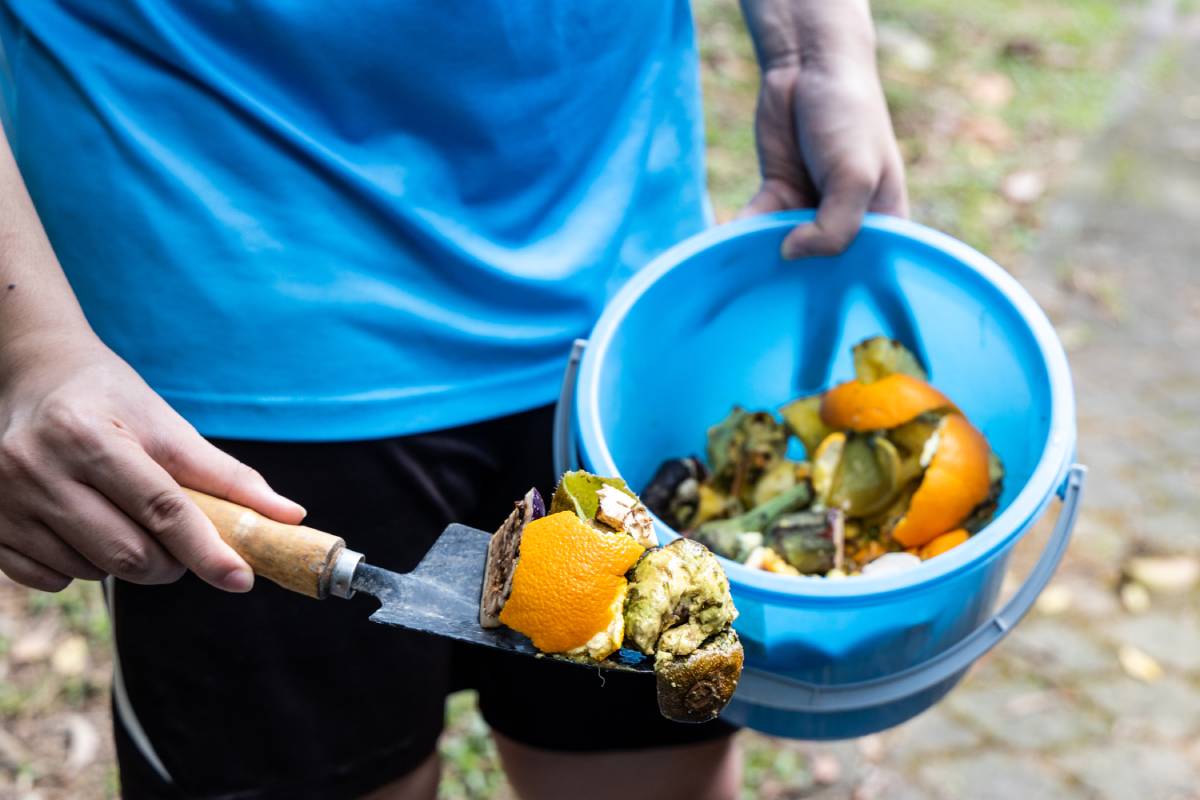
Every day, perfectly edible items ends up in the bin in homes, restaurants, supermarkets, and cafeterias.
That wasted sustenance represents wasted money, wasted resources, and wasted effort. Even worse, when meals decompose in landfills, it releases methane, a greenhouse gas far more powerful than CO₂. While millions of people face nutritional insecurity, massive amounts of groceries are thrown away without a second thought.
Understanding what kitchen waste really is, why it happens, and what you can do about it is the first step toward saving money, protecting the planet, and creating a more sustainable food system. Let’s break it down clearly, practically, and without fluff.
This waste is edible food that is discarded instead of eaten. This includes:
Ingredient waste mainly occurs at:
Organic waste is not just a personal issue; it’s a global systems problem.
| Indicator | Data |
| Global food waste per year | ~1.05 billion tonnes |
| Share wasted at the consumer level | ~19% |
| Largest source | Households (~60%) |
| Climate impact | ~8–10% of global GHG emissions |
Bottom line:
If this refuse were a country, it would be one of the world’s top greenhouse-gas emitters.
This distinction is critical and often misunderstood.
| Term | Where it happens | Example |
| Food loss | Production & supply chain | Crops damaged during harvest, food spoiled during transport |
| Food waste | Retail & consumption | Throwing away leftovers, expired food, and unsold products |
In short:
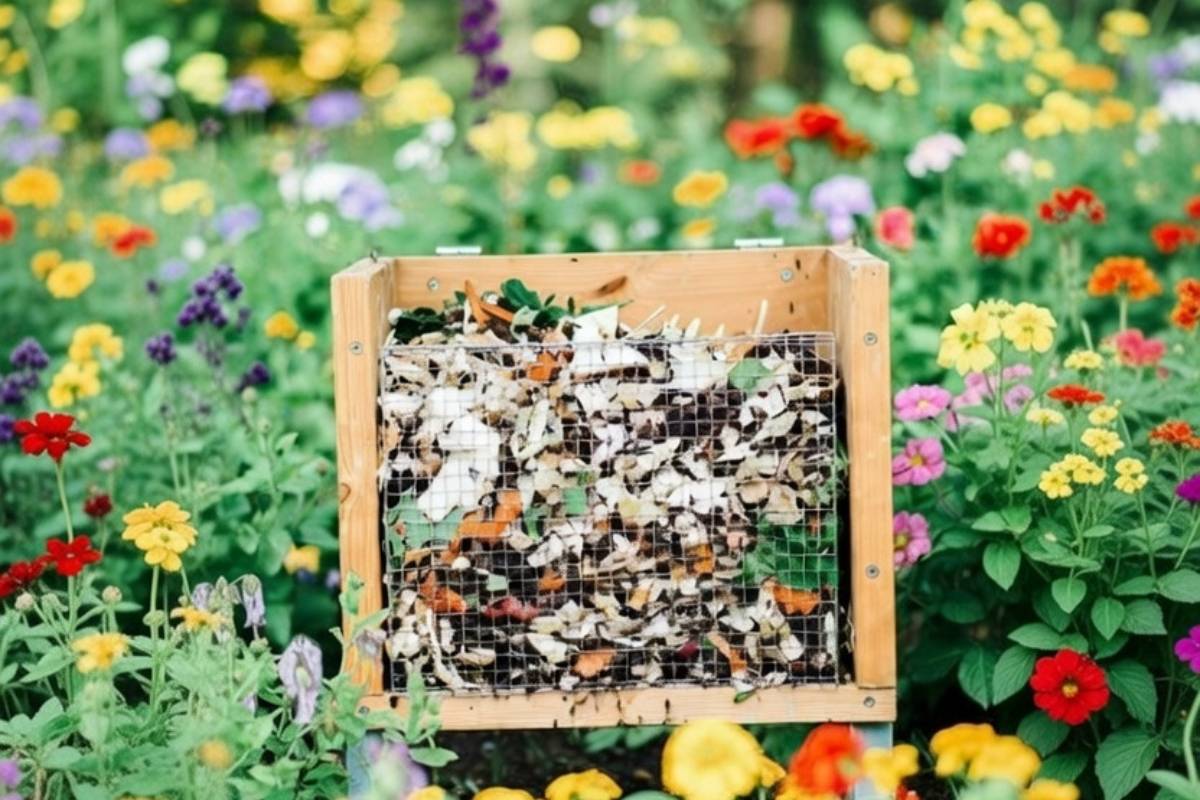
When food scraps are composted instead of sent to landfill, they can be transformed into fertiliser from food waste, returning valuable nutrients to the soil and reducing the need for chemical fertilisers.
In Thailand, organizations such as HASS Thailand are playing an increasingly important role in addressing the issue by promoting sustainable supply systems, culinary safety standards, and responsible consumption across businesses and communities.
Kitchen waste isn’t just about trash; it’s about values, habits, and systems.
When you waste less produce, you:
You don’t need to be perfect. You just need to be intentional.
So here’s the real question:
What’s one small change you can make this week to waste less ingredients?
Know exactly what Melbourne towing costs before it happens. Clear fee breakdowns, tow-away zone rules,…
Bought a car in another state? Here's exactly how interstate delivery works, what it costs,…
Turn your neglected pool swim-ready again. Follow our step-by-step guide covering water chemistry, equipment checks,…
Have you ever walked into a room that felt "off," even though the furniture was…
Discover the best fertilizer from food waste, ranked by nutrients and results. Learn how to…
Yes, Sulcatas can eat Bermuda grass! Discover why this high-fiber staple is excellent for shell…