


Have you ever looked up at the towering oak in your backyard, blocking your sunlight and dropping heavy branches on your roof, and thought: “I just need to chop the top off”?
You aren’t alone. Thousands of homeowners face this exact dilemma every season. They want their trees smaller, safer, and tidier. But in the rush to solve the problem, many fall victim to a common industry trap.
If you hire a contractor to “lop” your tree, you might think you are getting a bargain haircut for your garden. In reality, you could be signing a death warrant for your tree—and creating a future safety hazard that costs thousands to fix.
Before you let anyone near your property with a chainsaw, you need to know the difference. Here is why the choice between lopping and pruning is the most important decision you will make for your landscape this year.
Table of Contents
- The Short Answer: What is the Difference?
- What is Tree Lopping? (The Harsh Truth)
- What is Tree Pruning? (The Surgical Approach)
- 5 Critical Differences You Cannot Ignore
- The “Hidden Tax” of Cheap Lopping
- Conclusion: Make the Right Cut
- Frequently Asked Questions
The Short Answer: What is the Difference?
The Core Difference (Featured Snippet)
Tree Lopping is the indiscriminate removal of large sections of a tree’s canopy, often cutting between leaf nodes. It damages tree health and encourages weak, dangerous regrowth. Tree Pruning is the selective removal of specific branches by a certified arborist to improve structure, health, and safety without compromising the tree’s natural defense systems.
What is Tree Lopping? (The Harsh Truth)
Tree lopping (often called “topping” or “hat-racking”) is essentially an amputation.
It involves cutting branches or stems to a stub or to a lateral branch that is not large enough to assume the terminal role. It is a crude method often used by untrained workers to simply reduce the size of a tree in the fastest way possible.
Confusion in this industry is common; in fact, many homeowners struggle to even distinguish between the difference between tree removals and tree lopping before they even consider pruning as an option.
Why is it still done? Because it is fast, and therefore, it often looks cheaper on a quote.
The mechanism of damage: When a tree is lopped, the remaining stubs have no way to heal. A tree defends itself by “sealing” wounds, but it can only do this if the cut is made at a specific point near the branch collar.
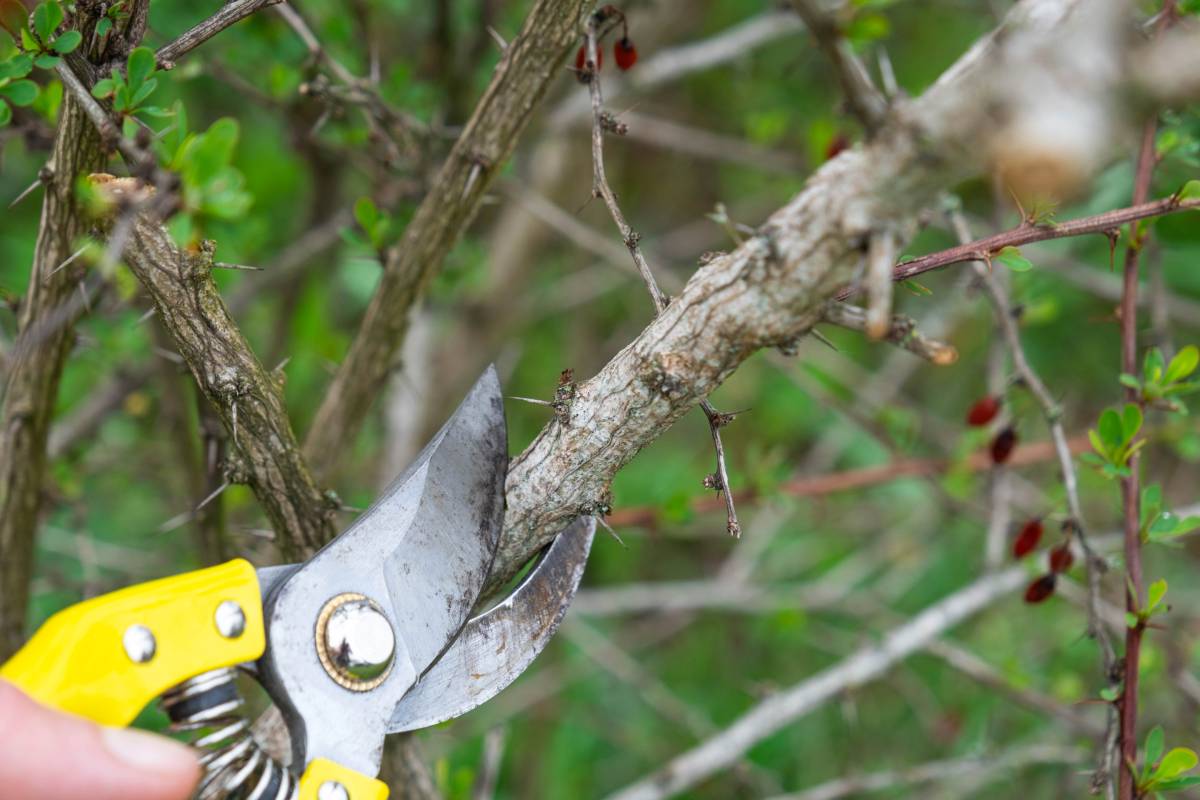
Lopping leaves an open wound that leads to decay. To survive the shock of losing its leaves (its food source), the tree will panic. It shoots out rapid, vertical growth called “epicormic shoots” or “water sprouts.”
These shoots are:
- Weakly attached to the outer bark (not the deep wood).
- Prone to snapping off in high winds.
- Ugly and dense, ruining the tree’s natural shape.
What is Tree Pruning? (The Surgical Approach)
If lopping is an amputation, pruning is precision surgery.
Pruning focuses on the long-term architecture of the tree. A certified arborist doesn’t just look at what to remove; they look at what to keep.
The Goal of Pruning:
- Deadwooding: Removing dead or dying limbs to prevent them from falling.
- Crown Thinning: Selectively removing inner branches to let wind pass through (reducing storm damage risk) and light reach the grass below.
- Crown Lifting: Removing lower branches to clear paths or driveways.
The “Collar” Technique: Professional pruning involves cutting at the branch collar—the swollen area where the branch meets the trunk.
This zone contains specialized cells that grow over the cut, sealing it off from bacteria and pests. This keeps the tree’s internal structure solid and rot-free.

5 Critical Differences You Cannot Ignore
To help you visualize why this matters, let’s break down the technical differences between these two methods.
1. The Cut Location
- Lopping: Cuts are made anywhere between branch nodes (internodal cuts). This leaves a “stub.”
- Pruning: Cuts are made at the node or branch collar. This leaves a clean wound that the tree can heal.
2. The Regrowth Response
- Lopping: Triggers “survival mode.” The tree produces dense, messy, fast-growing shoots to replace lost leaves quickly.
- Pruning: Encourages controlled growth. The tree maintains its energy reserves and grows at a natural, sustainable pace.
3. Visual Aesthetics
- Lopping: Leaves the tree looking like a coat rack or a stick figure. It destroys the natural silhouette.
- Pruning: Enhances the natural shape. Often, a well-pruned tree looks like it hasn’t been touched at all—just tidier.
4. Safety Profile
Beyond the tree’s health, professional pruning also respects strict working at height regulations, ensuring that the human cost of your tree work doesn’t become a liability for your household.
- Lopping: Creates future hazards. The new shoots are heavy and weakly attached, meaning they become dangerous projectiles in the next storm.
- Pruning: Reduces wind resistance, making the tree safer during storms.
5. Sunlight Penetration
- Lopping: Ironically, the panic-growth from lopping creates a canopy denser than before, blocking more sun in the long run.
- Pruning: Opens windows of light through the canopy effectively, ensuring your grass gets the UV it needs, crucial if you plan to prep your lawn for new turf or just want to keep your existing yard lush.
The “Hidden Tax” of Cheap Lopping
This is where the User Psychology we discussed earlier is vital. You might get a quote for lopping that is $200 cheaper than a professional pruning service.
Do not be fooled. That $200 savings is a mirage.
The Cost of Lopping Timeline:
- Year 1: You pay for the lopping. The tree looks ugly, but it is smaller.
- Year 2: The tree enters “panic mode.” Fast, vertical shoots grow back faster than the original branches. The tree is now as tall as it was before, but denser and messier.
- Year 3: You have to call the lopper back because the tree is unmanageable again. (Double cost).
- Year 5: The stubs from the first lopping have rotted. The decay has traveled into the main trunk. The tree is now structurally unsound and a threat to your house.
- Year 6: You must pay thousands for a complex, dangerous tree removal and stump grinding.
The Pruning Timeline: You pay for a professional prune once every 3-5 years. The tree remains healthy, safe, and increases your property value by adding curb appeal.

Conclusion: Make the Right Cut
Your trees are assets. They provide shade, reduce energy bills, and improve mental health. Treating them with the “fast and cheap” mentality of lopping is a guaranteed way to turn an asset into a liability.
When you look at that quote, ask yourself: Am I paying for tree care, or am I paying for tree damage?
It is essential to hire a team that understands the difference. For example, at Wiktora Bros Tree Lopping Works, we combine traditional work ethic with modern arboricultural standards to ensure your trees are pruned for health, not lopped for ruin.
If you want a safe yard and a beautiful canopy, put down the DIY tools and ignore the cheap “tree topper” flyers. Trust the experts who know the biology of your trees.
Does your current tree service provider talk about “lopping” or “pruning”? The words they use tell you everything you need to know about the safety of your home.
Frequently Asked Questions
Is tree lopping illegal? In many councils and municipalities, indiscriminate tree lopping (topping) violates local tree preservation orders. You could be fined heavily for damaging a protected tree. Always check with your local council or a certified arborist before cutting.
Can a lopped tree be fixed? Sometimes. This process is called “restorative pruning.” An arborist will select the strongest of the new water sprouts to become the new dominant branches and slowly remove the others over several years. However, if rot has entered the main trunk, the tree may need removal.
Does pruning hurt the tree? No, not if done correctly. Pruning is like exfoliation for a tree—it removes the dead and useless parts so the living parts can thrive. It redirects the tree’s energy into strong, healthy wood.
What is the best time of year to prune? Generally, late winter or early spring is best, while the tree is dormant but ready to burst into growth. This minimizes stress and sap loss. However, dead or dangerous branches can be removed at any time.


