A woman with wavy auburn hair stands on the side of a paved road near a tow truck carrying a white car.
Every year, hundreds of thousands of Australians move between states, and a growing number buy cars they’ve never seen in person from a state they don’t live in. The logistics of getting that car home are where most of the stress and most of the costly mistakes happen.
In the September 2025 quarter alone, data from the Australian Bureau of Statistics shows gross interstate movements totalling well over 100,000 people changing states.
The reasons behind people relocating across state lines vary widely, from housing costs to job opportunities, but the logistics of getting a vehicle to a new state are a practical step every mover eventually faces.
If you’ve found the right car interstate, the transport step shouldn’t be the part that goes wrong. This guide walks through exactly how delivery works, what it costs, and where buyers most often get caught out.
Booking transport before you’ve confirmed the car itself is the single most common sequencing mistake. Get this order wrong, and you can end up paying to ship a car that needs repairs before it’s even roadworthy.
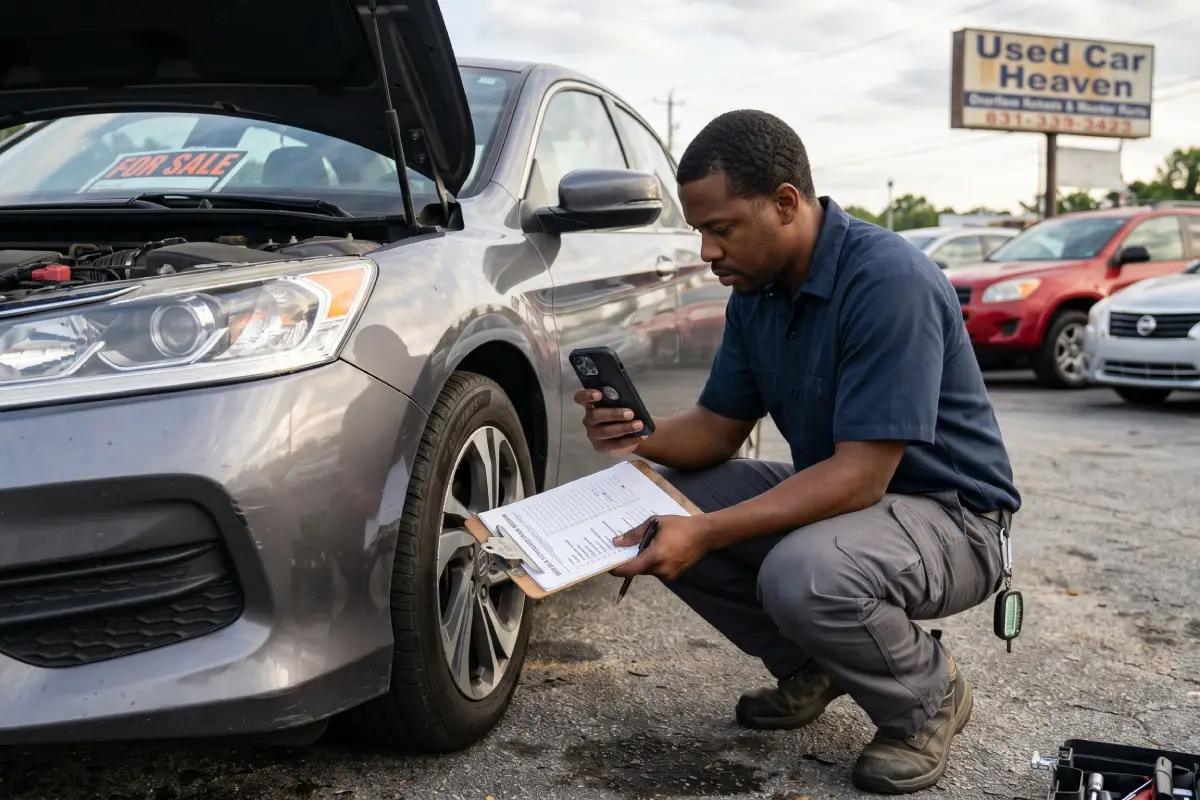
Request a full condition report and recent photos from the seller, including the odometer, tyres, and any panel damage. If you can’t inspect in person, a paid third-party inspection in the seller’s state costs far less than a transport bill on a car you later discover is unroadworthy.
Confirm the car is registered and the registration papers match the seller’s name. An unregistered or improperly transferred vehicle can delay pickup, since transport companies will not load a car without valid proof of ownership.
Settle payment and the bill of sale before transport is booked, not after. This protects both sides and avoids the awkward situation of a car sitting at a depot while a payment dispute is unresolved.
Interstate car transport pricing in Australia is driven primarily by distance, with a typical per-kilometre rate, then adjusted up or down by vehicle size, transport type, and pickup/delivery preference.
A practical planning range across the industry sits around $0.45 to $0.70 per kilometre, with longer depot-to-depot interstate routes often landing closer to the lower end and urgent, remote, enclosed, or door-to-door services sitting higher. This range is the most useful baseline for sanity-checking any quote you receive.
Route distance does most of the heavy lifting on price.
A short corridor like Melbourne to Sydney runs cheaper per kilometre than a remote, low-competition route like Adelaide to Darwin, simply because more transport companies compete for the popular routes and trucks rarely run empty on the return leg.
Vehicle size changes the price independently of distance.
A standard sedan costs less to ship than an SUV, van, or ute, because larger vehicles take up more carrier space and reduce how many vehicles a transport company can move per trip. Non-running vehicles also cost more, since they need to be winched rather than driven onto the carrier.
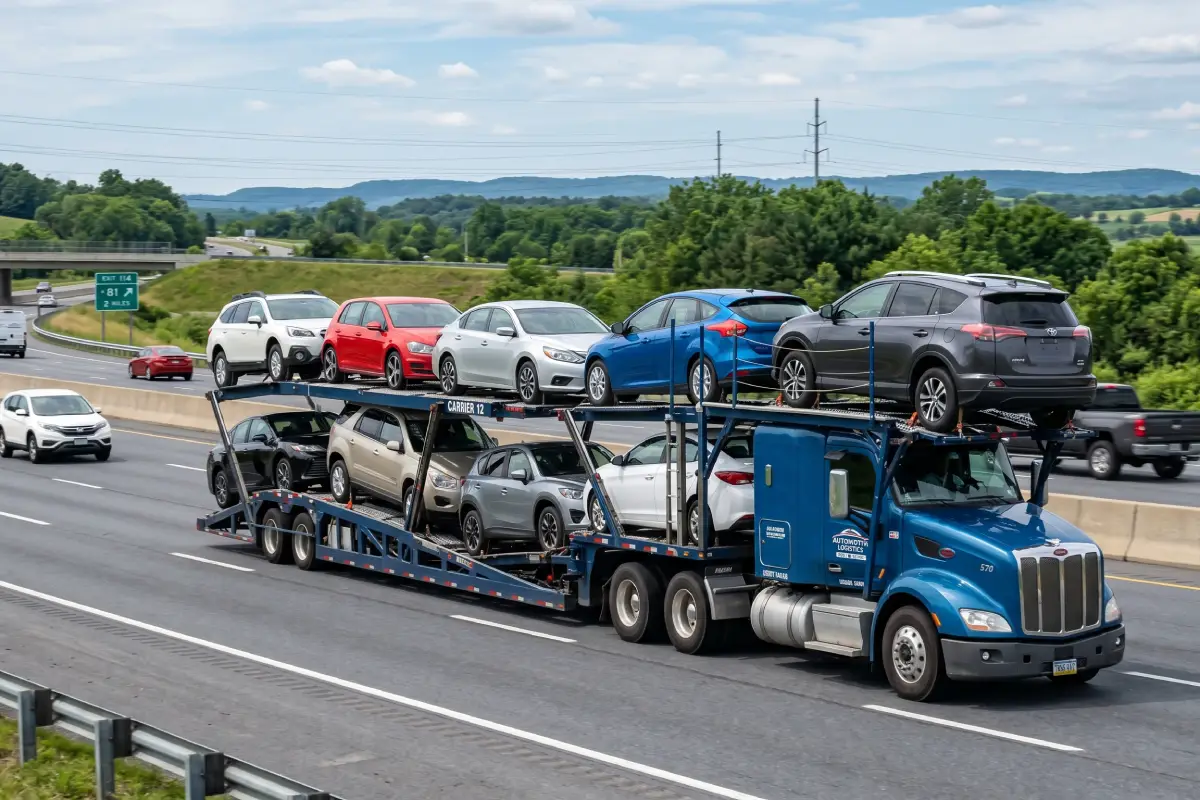
Open transport carries vehicles on an uncovered multi-car carrier, the type you’ve likely seen on the highway stacked with new cars. It’s the standard choice for everyday sedans, SUVs, and utes, and it’s the cheaper option by a meaningful margin.
Enclosed transport places your vehicle inside a covered trailer, shielded from weather and road debris for the entire trip.
This option exists for classic cars, high-value vehicles, and anything where cosmetic condition matters more than cost. Enclosed transport typically costs 25 to 35 per cent more than open transport for the same route, due to the specialist equipment involved and the reduced number of vehicles a carrier can fit per trip.
For a standard daily-driver purchase, open transport is the right call almost every time. Save enclosed transport for vehicles where the extra cost is justified by the car’s value.
These two delivery methods affect both price and convenience, and the right choice depends on how much your time is worth versus the dollar savings.
Depot-to-depot means you drop the car off at a transport company’s depot in the seller’s city, and collect it from a depot in your own city. It’s the cheaper option because the carrier doesn’t deviate from its main route.
Door-to-door means the carrier collects from the seller’s address and delivers directly to yours. It costs more, but it removes the hassle of arranging your own trip to and from a depot, which matters if you’re buying from a state you have no other reason to visit.
Delivery time scales with distance, the same way cost does, and short popular routes move faster than remote long-haul ones.
Short interstate routes like Sydney to Melbourne typically take around 3 to 5 working days, while long-haul routes like Sydney to Perth or Melbourne to Darwin can take 7 to 12 working days. Door-to-door service and remote delivery locations can extend these windows further.
Build in buffer time if you have a hard deadline, such as needing the car for a specific date. Transport companies plan routes around multiple customers’ vehicles, so a single delay upstream can shift your delivery window.
A transport company’s price is only useful once you’ve confirmed they’re legitimate. An unusually cheap quote is the first warning sign, not a reason to celebrate.
Confirm the company is licensed and carries transit insurance covering your vehicle for the full duration of transport, not just while it’s on the truck. Ask directly what happens if the vehicle is damaged in transit and how claims are handled.
Request a written condition report process. A reputable company documents the vehicle’s condition at pickup and again at delivery, giving you a clear reference point if anything changes en route.
Check whether the company subcontracts to third-party operators on your route. Some companies run their own trucks end-to-end; others hand off partway, which matters if something goes wrong and you need to know who’s accountable.
Booking transport before finalising the purchase is the most expensive mistake on this list. If the sale falls through after you’ve paid a deposit on transport, that deposit is rarely refundable.
Choosing the cheapest quote without checking insurance coverage is a close second. A low price on an uninsured or underinsured service can cost far more than the savings if anything happens during transit.
Skipping the pre-pickup condition report leaves you with no recourse if the car arrives with new damage. Always get pickup-day photos, ideally timestamped, even if the transport company offers its own report.
| Route | Estimated Cost (Standard Sedan) | Typical Transit Time |
| Sydney to Melbourne | $400 to $700 | 3 to 5 working days |
| Melbourne to Brisbane | $500 to $850 | 5 to 7 working days |
| Brisbane to Perth | $1,000 to $1,800 | 7 to 12 working days |
| Sydney to Perth | $1,500 to $2,750 | 7 to 12 working days |
| Melbourne to Darwin | Higher than above range | 7 to 12 working days |
Figures are general market estimates and vary by vehicle size, transport type, and provider. Always confirm a fixed quote before booking.
Getting a car delivered after an interstate purchase comes down to four decisions: confirming the car and finalising the sale before booking anything, choosing open or enclosed transport based on the vehicle’s value, picking depot-to-depot or door-to-door based on your convenience, and verifying the transport company is licensed and insured before you pay a deposit.
Distance drives most of the cost, vehicle size and transport type adjust it from there, and short popular routes move faster and cheaper than remote ones. Get the sequencing right, confirm the car first, and the transport step becomes the easy part of an interstate purchase rather than the risky one.
If you need a hand getting your newly purchased vehicle home, Interstate Towing AU provides vehicle transport between Melbourne and other major Australian cities and can walk you through open vs enclosed and depot vs door options for your specific route.
Know exactly what Melbourne towing costs before it happens. Clear fee breakdowns, tow-away zone rules,…
Turn your neglected pool swim-ready again. Follow our step-by-step guide covering water chemistry, equipment checks,…
Every day, perfectly edible items ends up in the bin in homes, restaurants, supermarkets, and…
Have you ever walked into a room that felt "off," even though the furniture was…
Discover the best fertilizer from food waste, ranked by nutrients and results. Learn how to…
Yes, Sulcatas can eat Bermuda grass! Discover why this high-fiber staple is excellent for shell…